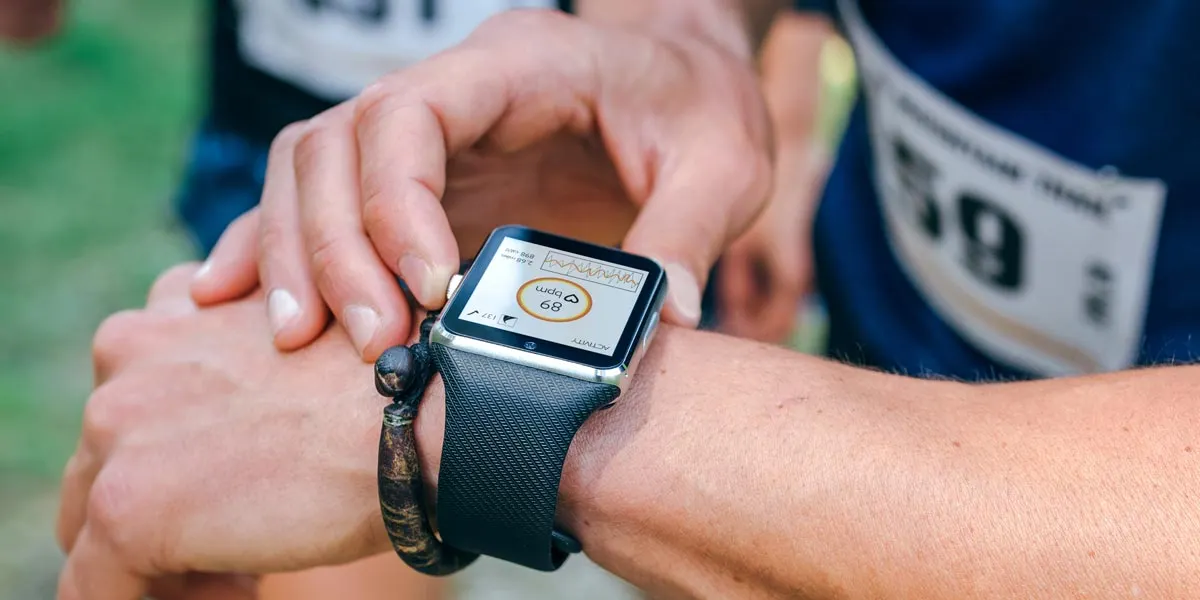
One of the most common reasons why people wear fitness watches or other wearables is to track their sleep. In today’s hectic world, we worry a great deal about whether we are getting enough sleep or why we still feel exhausted after what feels like a solid 8 hours of slumber.
About 40 percent of wearable users say they’ve gotten information from their device that was useful enough to talk to their doctors about. Many wearables can use the information on our level of activity and heart rate to detect the various sleep stages, so we can find out if we have enough deep sleep and REM (dream) sleep.
How Wearables Track Sleep
In the quest for more accurate data on sleep using wearables, many device manufacturers have gone beyond actigraphy watches, which only measure physical activity or lack of movement. Such devices might inaccurately say you are sleeping, even if you are lying unmoving in your bed, for example.
Newer devices add actigraphy measurements and heart rate parameters to more accurately study sleep stage detection with wearable devices that best mimic standard polysomnography (PSG), which involves technology widely used in sleep laboratories. PSG uses scalp electrodes to detect brainwave changes during sleep. Because brainwave measurements are diagnostic of the different sleep stages, such technology is extremely accurate.
Research indicates that heart rate and heart rate variability (HRV), a measurement of the variation in the time between two successive heartbeats, are both helpful in detecting the various sleep stages with reasonable accuracy. This puts accurate sleep detection capabilities into an unobtrusive smartwatch or another type of wearable for home sleep monitoring.
Newer wearables use either ECG tracings (often involving a chest strap) or PPG technology (photoplethysmography), which detects heart rate through changes in the way light reflects on the skin with each beat. The most accurate PPG devices can use algorithms involving heart rate, HRV, and actigraphy to give home wearable users and researchers valid real-world sleep measurements.
ReflexDAO Steps Out Ahead in Wearable Technology
ReflexDAO was founded to optimize wellness through the use of wearable wrist strap technology that gathers autonomic nervous system data from the brainstem using HRV as its most accurate proxy.
While testing its wearable against the most accurate commercially available sleep stage detection devices, ReflexDAO has been able to develop an accurate algorithm for the determination of deep and REM sleep stages using PSG technology.
This further led to the discovery and development of a second algorithm using the same technology and a novel algorithm that accurately screened for obstructive sleep apnea and atrial fibrillation (a cardiac arrhythmia) during sleep.
Detecting and treating obstructive sleep apnea (OSA) is critical for optimal health beyond enhancing sleep. Experts say that as many as 26 percent of adults between 30 and 70 years have OSA, with approximately 75% of cases going undiagnosed. Untreated sleep apnea leads to serious health consequences, including heart disease, diabetes, depression, and daytime sleepiness.
Atrial fibrillation is one of the more common heart rhythm disturbances with even graver consequences. Because two of the heart chambers (the atria) aren’t beating, blood clots can develop, leading to stroke. Atrial fibrillation leads to stroke in one out of four individuals over the age of 80 and raises the stroke risk by a factor of 4 to 6.
With these algorithms, screening for OSA and atrial fibrillation can expand beyond the office- or hospital-based detection of these common sleep disorders, allowing millions of people to easily measure their daily sleep patterns and be alerted to signs that they have sleep issues needing further intervention with the help of their healthcare provider.