

The REFLEX Blog
.jpg)
Elevating Your Yoga Practice with Smart Biofeedback
Yoga is more than flexibility—it’s training regulation: staying present in discomfort, softening without collapsing, and returning to center. Smart biofeedback can support that by acting as a mirror for your nervous system. Instead of turning yoga into a sport, wearable signals like HRV trends, resting heart rate, sleep continuity, and recovery patterns help you see which sessions restore you and which quietly tax you. The key is to use data as guidance, not a grade. HRV is context-sensitive and should be read as a trend over days and weeks, alongside your personal baseline. When you spot drift—fragmented sleep, rising resting HR, HRV trending down—biofeedback becomes a gentle prompt to adjust practice: more breath-led down-regulation, longer savasana, restorative sessions, or simply prioritizing consistency over intensity. Breath is the bridge. It’s the most direct autonomic lever you can train, and wearables can help you see the effects accumulate over time. Done well, biofeedback doesn’t replace intuition—it strengthens it, supports self-compassion, and helps you practice with better timing. And because these signals are deeply personal, the healthiest model is privacy-first: your data stays under your control, shared only if you choose. In the end, your mat remains the teacher—biofeedback just helps you see the lesson landing.

.jpg)
Mindfulness Meets Metrics: Tracking Meditation with Wearables
Meditation can feel subjective—calm one day, restless the next—so it’s hard to know if practice is changing anything beyond the moment. Used well, wearables can help by turning mindfulness into navigation, not a scoreboard. By tracking autonomic signals like HRV, sleep continuity, resting heart rate, and recovery trends, you can see how your nervous system responds during practice and how quickly you return to baseline after stress. The key is to focus on patterns over time, not “good vs bad” sessions or single readings. HRV is a context-sensitive signal—not a verdict or diagnosis—so the goal is to build your personal baseline, spot drift early (fragmented sleep, HRV trending down, elevated stress load), and adjust your routine accordingly. Meditation becomes a simple feedback loop: practice → observe → adjust → repeat, guided by trends that show resilience building across weeks. This approach only works if it doesn’t create score anxiety. Treat metrics like cockpit instruments—useful for steering, not grading your worth. And because these signals are intimate, privacy matters: your data should stay under your control and be shared only if you choose. In the end, tracking meditation isn’t about proving you sat—it’s about learning what supports your nervous system and making the practice more consistent, compassionate, and sustainable.
.jpg)
Syncing Breath & Data: How Reflex Powers Digital Pranayama
Breathwork has always been powerful — the missing piece has been feedback. Reflex turns pranayama into digital pranayama by syncing guided breathing with autonomic data like HRV, resting HR, and recovery trends. Instead of chasing “calm” as a mood, you learn it as a pattern: practice, observe the signal, adjust cadence/timing, repeat. Over time, the goal isn’t perfect readings — it’s a stronger baseline that holds under stress and recovers faster. Reflex adapts to different devices and data quality (Apple Watch, Whoop, and Reflex’s research-grade R&D wearable) while staying privacy-first: your health signals remain under your control, shared only with explicit consent and revocation. With careful incentives designed to reward consistency (not extremes), Reflex makes breath a measurable daily protocol that builds resilience — one breath, one beat, one day at a time.
.webp)
The Benefits Of Yoga And How Reflex Can Enhance Your Practice
Yoga supports flexibility, heart health, stress relief, better sleep, and mental clarity through mindful movement and breathwork. Reflex, developed by Reflex, enhances these benefits by tracking real-time physiological responses like heart rate variability (HRV). With biofeedback, personalized insights, and long-term progress tracking, Reflex helps practitioners deepen relaxation, fine-tune their yoga practice, and strengthen the mind-body connection for lasting well-being.

Enhancing Brain-Heart Interactions With Meditation And Reflex
Meditation improves brain-heart interactions, enhancing emotional regulation, cardiovascular health, and cognitive performance. Practices like Samatha and Vipassana calm the mind and balance the autonomic nervous system, leading to lower heart rates and higher heart rate variability (HRV). The Reflex app amplifies these benefits by providing real-time heart rhythm and HRV monitoring, personalized biofeedback, and long-term tracking. It also offers guided breathing exercises and tailored insights to help users deepen their meditation practice and achieve greater relaxation and physiological balance.
.webp)
The Baroreflex: How Our Bodies Regulate Blood Pressure And Heart Rate-And How Reflex Enhances Its Function
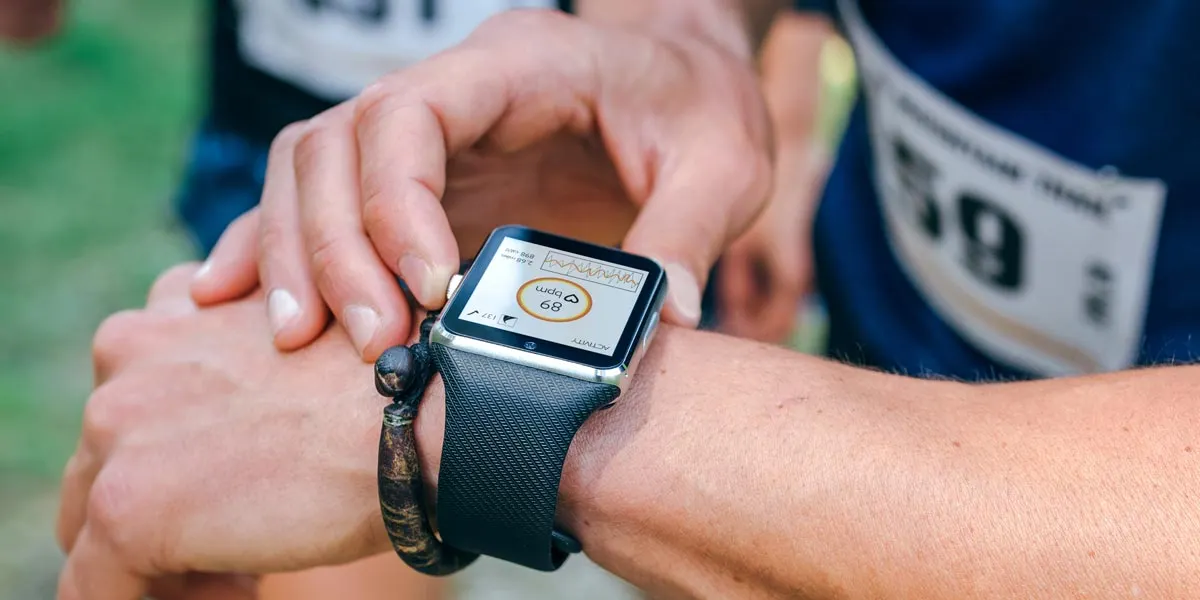
Reflex is a wearable and mobile app designed to improve cardiovascular health by enhancing the body’s natural baroreflex-a key mechanism for regulating blood pressure and heart rate. The baroreflex uses delayed feedback to stabilize blood pressure, but Reflex turns these natural oscillations into a therapeutic advantage through Resonance Frequency Heart Rate Variability Biofeedback (RF HRV BFB). By guiding users through real-time HRV exercises, Reflex strengthens autonomic nervous system function, benefiting those with hypertension, POTS, stress, or athletic recovery needs. The system includes continuous monitoring via wearable tech and personalized feedback through the app, helping users build long-term cardiovascular resilience.
Improving Health Outcomes With Reflex
Reflex is a comprehensive health platform that empowers users to improve their well-being through personalized programs, economic incentives, and community support. It creates tailored health plans based on individual data, offers real-time coaching, and adapts recommendations over time. Reflex motivates users with rewards for healthy behaviors and fosters a supportive community through shared challenges. Additionally, it contributes anonymized data to scientific research and facilitates secure data sharing with healthcare providers, enabling more personalized and proactive care.

Stress And Autonomic Nervous System (ANS) Balancing: How Reflex Can Help You Stay Balanced
Reflex helps users balance their autonomic nervous system (ANS) to better manage stress and avoid burnout. The ANS consists of the sympathetic (“fight or flight”) and parasympathetic (“rest and digest”) systems, which must be balanced for optimal health. Reflex monitors key stress indicators like resting heart rate, muscle tension, fatigue, and mood, providing real-time feedback and insights. By recognizing signs of imbalance and using strategies like short bursts of physical activity or relaxation techniques, users can shift between activation and recovery effectively. Reflex supports this balance, helping users build long-term resilience and well-being.
Heart Rate Variability: The Vital Health Metric Now At Your Fingertips - And How Reflex Maximizes Its Potential
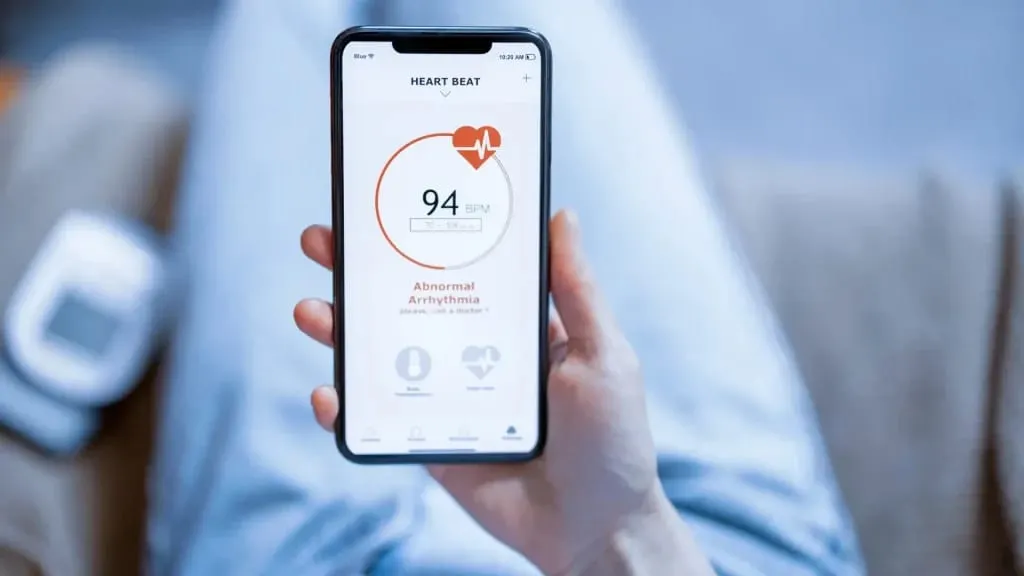
Heart Rate Variability (HRV) is a powerful indicator of overall health, reflecting how well the autonomic nervous system manages stress and recovery. Higher HRV suggests adaptability and resilience, while lower HRV may indicate fatigue or illness. Reflex makes HRV tracking accessible by integrating real-time monitoring with actionable insights. By analyzing long-term HRV trends, Reflex helps users fine-tune lifestyle choices-like sleep, exercise, and stress management-for better health. With Reflex, HRV becomes a practical, everyday tool for improving well-being and taking control of your personal health journey.
.webp)
Personalized Health Assessments With Reflex
Reflex is revolutionizing personalized healthcare by using advanced AI to deliver in-depth health assessments and real-time insights. By analyzing data from wearables, genomics, and other sources, Reflex creates a holistic health profile for each user. Its AI-driven predictive analytics detect early signs of health issues, enabling proactive intervention, while personalized recommendations guide lifestyle changes tailored to individual needs. Reflex offers continuous monitoring, real-time alerts, and comprehensive assessments across physical and mental health indicators-empowering users to take control of their health with timely, actionable guidance.

Empowering Health Awareness With Reflex
Reflex is an IoT health platform that unifies wearable and genomic data to deliver personalized, actionable health insights. It solves the problem of fragmented health data by aggregating metrics like heart rate, sleep, and activity into a single, secure dashboard. Using AI, Reflex interprets this data in real time to provide alerts, recommendations, and early detection of health risks. Users retain full control over their data through decentralized Web3 architecture. Alongside insights, Reflex offers educational content to boost health literacy, empowering individuals to make informed, proactive decisions for better long-term wellness.
.webp)
Reflex: Helping To Unlock The Secret To A Longer Life
Reflex is designed to promote longevity by proactively preventing chronic diseases like heart disease and diabetes-the leading causes of reduced life expectancy. Through continuous monitoring of the autonomic nervous system (ANS), integration of genome variant data, and complementary therapeutics, Reflex provides personalized health strategies to detect issues early and reduce health risks. Its secure platform also enables data sharing with healthcare providers and researchers, enhancing collaborative care. Reflex empowers users with customized action plans, real-time insights, and preventive tools-making better health and longer life more achievable.
.webp)
AI-Driven Health: Personalizing Care And Preventing Disease With Mobile Apps And Wearables
The healthcare industry is being transformed by AI and digital health tools like wearables and mobile apps, enabling more personalized and preventive care. Reflex is at the forefront of this shift, using AI to analyze real-time data-such as heart rate, sleep, and stress-to deliver tailored health insights. Continuous monitoring helps detect early signs of chronic conditions, while personalized feedback supports meaningful behavior change. Mobile health apps integrated with wearables empower users to take control of their well-being. Reflex is helping lead a future of smart, adaptive, and proactive healthcare centered around the individual.
Balancing The Autonomic Nervous System: The Future Of Chronic Disease Care In The Digital Age
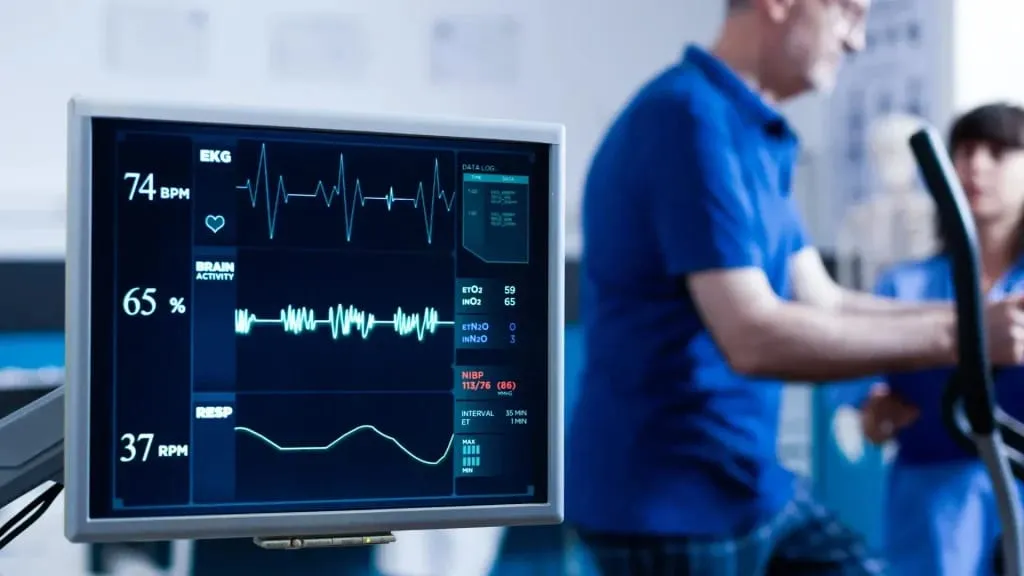
Chronic disease management is evolving with the rise of digital health technologies that focus on the autonomic nervous system (ANS), which regulates vital functions like heart rate and blood pressure. Autonomic dysfunction is often linked to conditions such as heart disease, diabetes, and mental health disorders. Tools like Heart Rate Variability (HRV) analysis provide real-time insights into ANS balance, helping patients and clinicians make informed decisions. Digital platforms-such as ReflexDAO's-enable personalized, proactive care by continuously monitoring autonomic health. This approach marks a shift toward preventive, data-driven, and holistic healthcare that empowers individuals to better manage and improve their long-term well-being.

Understanding Autonomic Reflex Health: The Key To Chronic Disease Management
Autonomic reflex health refers to the proper functioning of the autonomic nervous system (ANS), which regulates involuntary body functions like heart rate, blood pressure, and digestion. The ANS has two branches: the sympathetic (“fight or flight”) and parasympathetic (“rest and digest”) systems. Heart rhythm analysis-especially heart rate variability (HRV)-is a key tool for assessing ANS function. Poor autonomic reflex health is linked to chronic conditions such as cardiovascular disease, diabetes, chronic pain, respiratory disorders, mental health issues, and neurodegenerative diseases. Digital health tools that monitor heart rhythm can aid in diagnosing and managing these conditions, ultimately improving patient outcomes.
.webp)
The Digital Health Revolution: Transforming Healthcare Through Technology And Holistic Approaches
The convergence of digital technology with holistic healthcare is transforming modern medicine, offering personalized, accessible, and cost-effective solutions. Digital health tools like telemedicine, mobile apps, and wearables empower individuals to monitor and manage their health, while innovations like at-home genomic testing and AI-driven platforms enhance disease prediction and treatment precision. Complementary therapies such as yoga and acupuncture are increasingly integrated into digital platforms, promoting holistic well-being. Blockchain and Web3 technologies enhance data privacy, ownership, and interoperability, while also incentivizing participation. However, risks like healthcare monopolization, data silos, and high platform fees must be addressed through open standards, user-governed systems, and strong regulatory oversight. With thoughtful implementation, digital health can create a patient-centric, innovative, and equitable healthcare future.

Reflex Develops Novel Algorithm for Sleep Disorder Detection using Home Wearable Device
Sleep tracking is a top reason people use wearables, and many modern devices can now accurately detect sleep stages using heart rate, movement, and advanced biometrics. Reflex builds on this by using wearable technology that captures heart rate variability (HRV), ECG, and PPG signals to provide reliable, at-home sleep analysis. Through its decentralized health platform, Reflex has developed algorithms that not only detect deep and REM sleep but also screen for critical conditions like obstructive sleep apnea (OSA) and atrial fibrillation. These innovations bring early detection and personalized insights to users, making sleep monitoring more accessible, proactive, and potentially life-saving.

The Game-changing Potential of Comprehensive Health Data Integration
Healthcare is entering a new era where diverse health data-ranging from wearable devices and genomic sequencing to environmental and nutritional insights-is being integrated to create a dynamic, personalized health profile for each individual. By combining real-time metrics with traditional Electronic Health Records (EHRs), and layering in data from apps, sleep monitors, and at-home tests, healthcare becomes more proactive, predictive, and tailored. This synthesis marks a shift toward truly personalized and holistic healthcare, promising more accurate interventions and better outcomes.

The Health Data Wallet: Blockchain Technology is Revolutionizing Healthcare
The Health Data Wallet is a secure digital platform that allows individuals to store, manage, and control access to their health information in one place. Integrated with blockchain technology and powered by Ocean Protocol, it ensures data is securely stored, shared, and even monetized. Blockchain provides transparency, security, and user control, while Ocean Protocol facilitates safe and decentralized data exchange. This innovation promises a more collaborative, transparent, and patient-centered future in healthcare, empowering individuals and transforming how health data is used across the industry.

Digital Yoga and Pranayama: Breathing Life into Modern Mindfulness
In today's tech-driven world, ancient practices like yoga and pranayama are evolving into "Digital Yoga" and "Digital Pranayama." These modern adaptations use apps, virtual classes, and wearable devices to make wellness more accessible and personalized. Digital Yoga offers flexible, guided sessions, while Digital Pranayama provides breathing exercises with real-time biofeedback and tailored routines. Together, they enhance the mind-body connection, track health progress, and build global wellness communities. However, users are encouraged to balance technology with mindfulness, ensuring the focus remains on inner peace and self-awareness.

Breathing Exercises: A Natural Remedy for Hypertension
Emerging research shows that slow, deep breathing can significantly reduce high blood pressure, with some studies reporting systolic drops of up to 10 points. Cardiologist Dr. Kimberly Parks recommends breathing exercises for individuals with stage 1 or elevated hypertension as a non-pharmaceutical approach. Practices like High-Resistance Inspiratory Muscle Strength Training (IMST)-a five-minute daily breathing workout-have shown blood pressure reductions comparable to medication or regular aerobic exercise. As evidence grows, mindful and device-guided breathing techniques are proving to be effective, accessible tools for managing and preventing hypertension.

Digital Health: A Look into the Future of Personalized Healthcare
Digital health is revolutionizing healthcare by integrating technology into daily life, offering personalized, real-time health insights through wearables, telehealth, and AI-driven tools. These innovations empower individuals to take control of their well-being while improving healthcare access and efficiency. Reflex, founded by Max Campbell, is at the forefront of this shift. The company develops digital health platforms that gather and analyze biometric data from wearables, making it actionable for users and healthcare providers alike. Their approach emphasizes data ownership, privacy, and inclusivity, aligning with Web3 principles. As the digital health market rapidly grows-with over 500 million wearables sold in the past year-Reflex is helping shape a future where healthcare is proactive, personalized, and equitable. Challenges like data privacy and accessibility remain, but Reflex’s commitment to ethical innovation and inclusivity positions it as a key player in this evolving landscape.

The PPG Wearable Revolution: A Deep Dive into the Value of Health Data
Photoplethysmography (PPG) wearables-like smartwatches-use light to measure blood volume changes under the skin, offering continuous insights into cardiovascular health. Beyond tracking heart rate, PPG technology can estimate oxygen saturation, stress levels, sleep quality, heart rate variability (HRV), and even emerging metrics like blood pressure and vascular health. These devices mark a shift from episodic to real-time, personalized healthcare, empowering users to make informed health decisions and enabling earlier detection of potential issues. While challenges remain-such as accuracy across diverse users and data privacy-ongoing advancements in AI, sensor design, and data security are paving the way for a more connected, predictive, and preventative healthcare future.

How to Use Reflex to Monitor and Improve Your Brainstem Health
Reflex offers a digital health wearable that goes beyond step tracking by targeting the autonomic nervous system (ANS) through heart rate variability (HRV). Its mobile app guides users through resonance breathing exercises—slow, paced breathing at 5–7 breaths per minute—to improve ANS balance, reduce stress, and enhance wellness. Daily use of Reflex’s device and app has helped users lower resting heart rate and improve emotional and physical health. This includes promising results for individuals with conditions like long COVID. With just 5–15 minutes of guided breathing each day, users can retrain their body’s natural rhythm and track meaningful progress on their personal health journey.

Wearable Health Monitoring - Today and into the Future
Wearable health technology has evolved rapidly since its inception in 1965, with modern devices now capable of tracking heart rate, sleep, oxygen levels, and more. As the market grows, these tools are becoming essential for personalized health insights and chronic disease management. The next frontier involves AI and blockchain integration to analyze, protect, and securely share data. Reflex proposes a future where users maintain ownership of their health data, share it anonymously through encrypted blockchain systems, and are financially incentivized via smart contracts and digital wallets-benefiting individual users and global health research alike.

The Global Digital Health Data Ecosystem: Can We Expand it Safely and Affordably?
Wearable health devices, once focused on fitness, now track diverse health metrics like sleep, heart rate variability, and wellness trends. While adoption is growing, data often remains siloed and underutilized due to limited interpretation and sharing options. A future digital health ecosystem envisions secure, anonymous sharing of wearable data with researchers and health organizations-benefiting public health while incentivizing users. ReflexDAO aims to realize this vision by using blockchain encryption to ensure data security, user anonymity, and decentralized access, turning personal health data into a valuable global resource without compromising individual privacy.

Heart Rate Variability Testing: What is It and Why Does it Matter?
Optimizing Brain Health with HRV The brainstem controls vital functions like heart rate and breathing. Heart Rate Variability (HRV) is a powerful indicator of brainstem health-higher HRV means better function. At Reflex, we use HRV to support early diagnosis and digital therapies, helping improve outcomes and advance health equity.

Why Are We Called Reflex?
Optimizing Brain Health with HRV The brainstem controls vital functions like heart rate and breathing. Heart Rate Variability (HRV) is a powerful indicator of brainstem health-higher HRV means better function. At Reflex, we use HRV to support early diagnosis and digital therapies, helping improve outcomes and advance health equity.