
If you’ve ever tried pressing both the accelerator and the brake at the same time while driving, you know the engine revs loudly, but the car barely moves. This is a fitting metaphor for how many of us deal with stress in our daily lives-pushing ourselves to do more, while simultaneously trying to slow down or cope. This inefficient use of energy can leave us feeling exhausted and burned out. At Reflex, we’ve developed Reflex, a product designed to help individuals balance their autonomic nervous system (ANS) and better manage stress.
Let’s explore how balancing your ANS works and how Reflex can help you optimize your body’s natural stress management.
The Role of the Autonomic Nervous System (ANS)
The ANS consists of two major branches: the sympathetic nervous system (SNS) and the parasympathetic nervous system (PNS). These systems play opposite roles in how your body responds to life’s challenges:
- The Sympathetic Nervous System (SNS) is responsible for your body’s “fight-or-flight” response. It’s the accelerator that helps you stay alert and ready for action when faced with stress or danger.
- The Parasympathetic Nervous System (PNS) is your body’s “rest-and-digest” system. It acts as the brake, slowing things down when it’s time to recover, rest, or process food.
True balance in the ANS is not about pressing both the accelerator and brake simultaneously. Rather, it’s about knowing when to gently engage the SNS to handle a challenge and when to ease off and allow the PNS to take over for recovery and relaxation.
However, modern life often pushes us to over-rely on our SNS, keeping us in a constant state of readiness that can lead to stress and burnout. Unfortunately, many of us compensate for this stress with unhealthy habits, such as alcohol or poor sleep patterns, which further disrupt our ANS balance.
Reflex is designed to help you actively manage these systems and achieve balance, allowing you to perform at your best without pushing yourself to the point of exhaustion.
Noticing When Your ANS is Out of Balance
Just as a car engine gives off signs of trouble, your body sends signals when your ANS is out of balance. Learning to recognize these signals is crucial for maintaining well-being. Here are a few indicators to watch for:
1. Resting Heart Rate
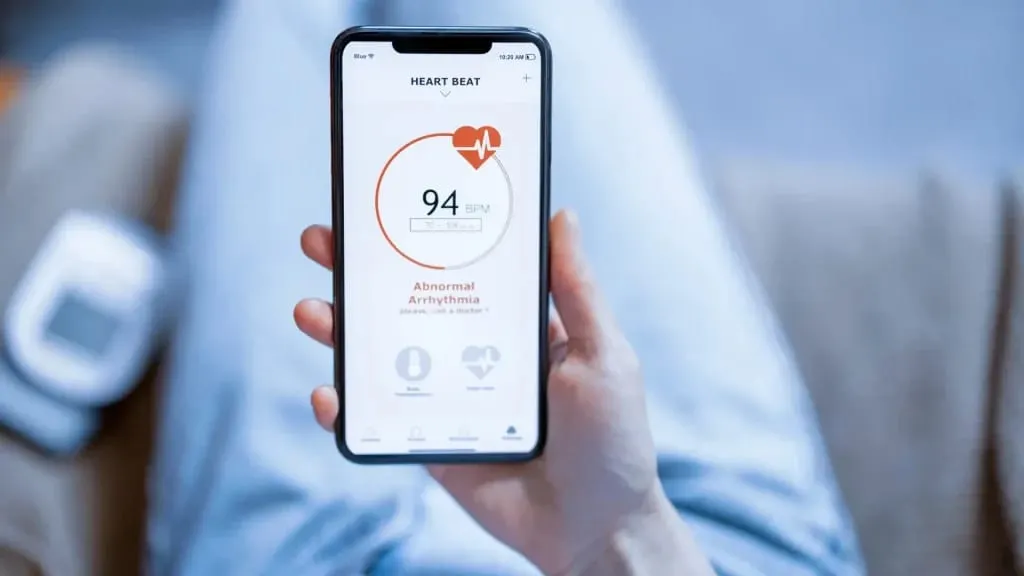
Your resting heart rate, especially first thing in the morning, is an excellent indicator of ANS balance. An elevated heart rate upon waking can signal inadequate sleep, stress, illness, or overtraining. Tracking your pulse with an oximeter or a sports watch, like Reflex does, can help you spot trends and see when stress levels are rising.
2. Scattered Thoughts
Mental scatter, like forgetting appointments or jumping from task to task without completing anything, can be a sign of stress. This “scattered” feeling might indicate that your SNS is in overdrive and you need to engage the PNS to slow down.
3. Muscle Tension
Tension in your shoulders, neck, or headaches are common physical signs of stress. Checking in with your body periodically throughout the day can help you become aware of this tension and address it before it becomes overwhelming.
4. Fatigue
While some fatigue is normal after a busy day, unusual or prolonged fatigue can be a sign of burnout or illness caused by stress. Be mindful of fatigue that seems out of the ordinary, and give yourself the rest you need.
5. Mood
Your mood is a powerful indicator of ANS balance. Feeling low or burned out is often a sign of chronic stress, while feeling unusually upbeat or restless can also point to an overactive SNS.
Reflex provides real-time feedback on many of these physiological markers, helping you tune into your body’s signals and adjust your stress management accordingly.
Balancing Your ANS: A Skill That Takes Practice
Learning to balance your ANS is a skill that takes time and practice. It’s not about slamming on the brakes or stepping hard on the accelerator, but about gently shifting between the two based on your needs.
Activities that engage either the SNS or PNS at the right time are key. For example, using short bursts of physical activity to activate the SNS early in the day can help prepare you for action, while relaxation exercises can engage the PNS later in the day when it’s time to wind down.
When to Activate Your SNS
A common question is: When should you activate your SNS? The answer is in moments when you need heightened alertness and energy, such as:
- Shortly after awakening to get ready for the day.
- Before an important task or workout to boost your performance.
- When you need to focus and get things done, but feel sluggish or tired.
Activating the SNS at these times helps you avoid unnecessary stress during quieter moments like before meals or in the evening when your body should be winding down.
Identifying Stress with Reflex
Evidence of stress may not always be obvious. However, some telltale signs include:
- Regular headaches, especially tension headaches at the front of the head.
- Forgetting appointments or tasks, a sign of cognitive overload due to stress.
- A higher-than-normal resting pulse, which indicates an active SNS.
- Feeling unusually tired, especially right after work or in the early evening, which can signal burnout.
An Activity to Activate the SNS: Short Bursts of Physical Movement
One way to activate your SNS in a healthy way is through short bursts of physical activity, such as a quick 5-minute walk or stretching session. These activities raise your heart rate and engage the SNS, helping you feel more awake and alert. Use Reflex to monitor your heart rate and track how quickly your body responds to this type of activation.
By consistently engaging your SNS when needed and balancing it with recovery and relaxation techniques, you can develop a healthy rhythm that keeps stress levels in check.


.webp)